The Impact of Customer Behavior Analysis on Retail Success
Understanding Customer Behavior Analysis
In the ever-evolving world of retail, understanding customer behavior is key to staying competitive. Customer behavior analysis involves examining how consumers interact with products and services. By leveraging this data, retailers can tailor their strategies to better meet the needs of their audience, ultimately driving sales and enhancing customer satisfaction.
Retailers can gather data from a variety of sources, such as online browsing patterns, purchase history, and social media interactions. This wealth of information provides valuable insights into consumer preferences and buying habits. By understanding these patterns, retailers can make informed decisions about product offerings, marketing strategies, and customer engagement.

The Benefits of Analyzing Customer Behavior
One of the most significant benefits of customer behavior analysis is the ability to personalize the shopping experience. Personalized experiences increase customer satisfaction and loyalty by showing that a brand understands and values its customers. This can lead to higher conversion rates and repeat purchases.
Additionally, customer behavior analysis enables retailers to optimize their inventory management. By predicting which products will be in demand, retailers can ensure they have the right stock levels to meet consumer needs. This reduces the risk of overstocking or stockouts, improving overall operational efficiency.

Enhancing Marketing Strategies
Customer behavior analysis also plays a critical role in enhancing marketing strategies. By understanding what drives consumer decisions, retailers can create targeted marketing campaigns that resonate with their audience. This includes everything from personalized email marketing to targeted social media ads.
Effective marketing strategies not only attract new customers but also retain existing ones. By continuously analyzing and adapting to customer behavior, retailers can ensure their marketing efforts remain relevant and impactful.
Implementing Customer Behavior Analysis
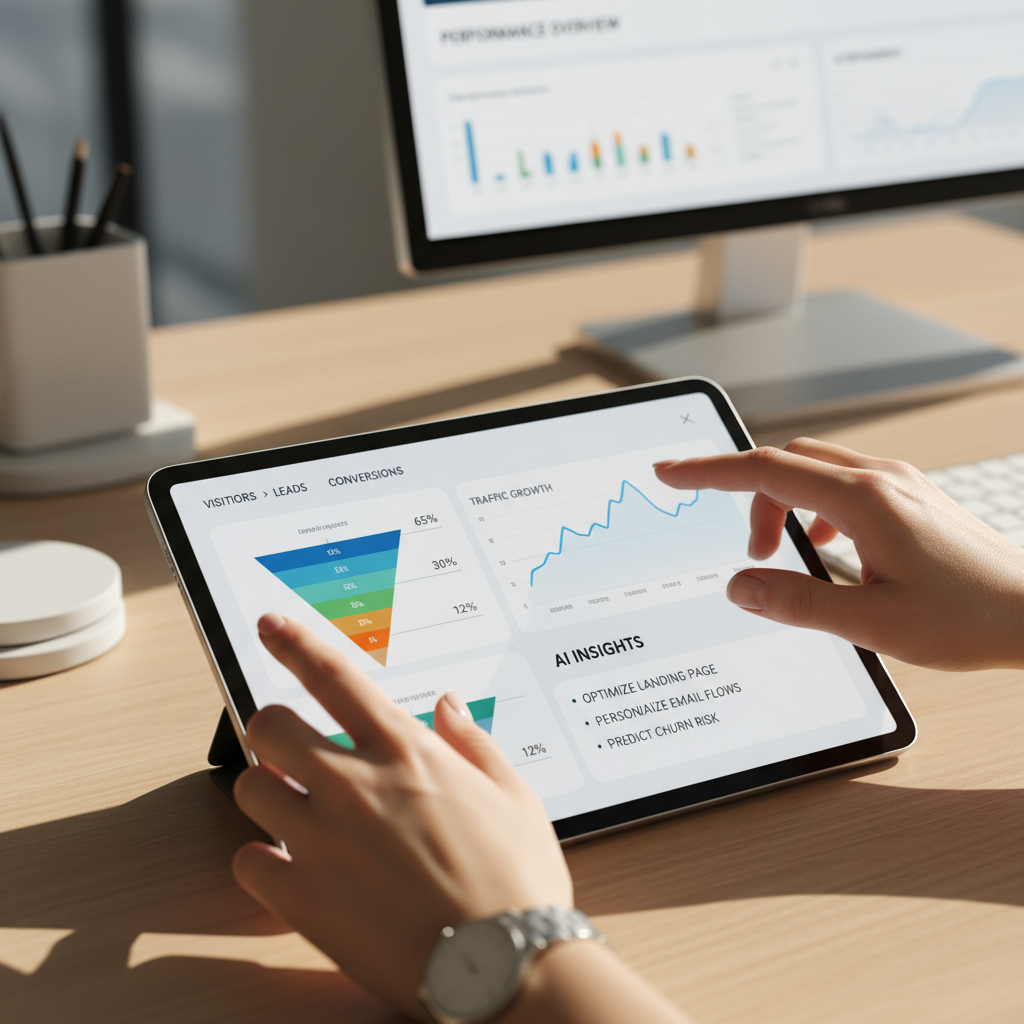
For retailers looking to implement customer behavior analysis, there are several key steps to consider:
- Data Collection: Gather data from various channels, including online and offline interactions.
- Data Analysis: Utilize advanced analytics tools to identify patterns and trends in the data.
- Strategy Development: Develop strategies based on insights gained from the analysis.
- Continuous Monitoring: Regularly monitor and update strategies to adapt to changing consumer behavior.
Challenges and Considerations
While customer behavior analysis offers many benefits, it also presents challenges. Data privacy concerns are paramount, and retailers must ensure they comply with regulations such as GDPR. Transparency with customers about data usage is essential to maintaining trust.
Moreover, the sheer volume of data can be overwhelming. Retailers need the right tools and expertise to effectively analyze and interpret this data. Investing in skilled personnel and advanced technology is crucial for success.
The Future of Retail Success
As technology continues to advance, the role of customer behavior analysis in retail will only grow more significant. Retailers that embrace this approach will be better positioned to anticipate consumer needs and stay ahead of the competition.
By making data-driven decisions, retailers can create a seamless and personalized shopping experience that delights customers and drives business growth. The future of retail success lies in understanding and responding to customer behavior in real time.