Optimizing In-Store Experiences: A Guide to Business Process Optimization
In today's competitive retail landscape, optimizing in-store experiences is crucial for businesses looking to enhance customer satisfaction and boost sales. By focusing on Business Process Optimization (BPO), retailers can streamline their operations, improve efficiency, and create a more compelling shopping environment.
Understanding Business Process Optimization
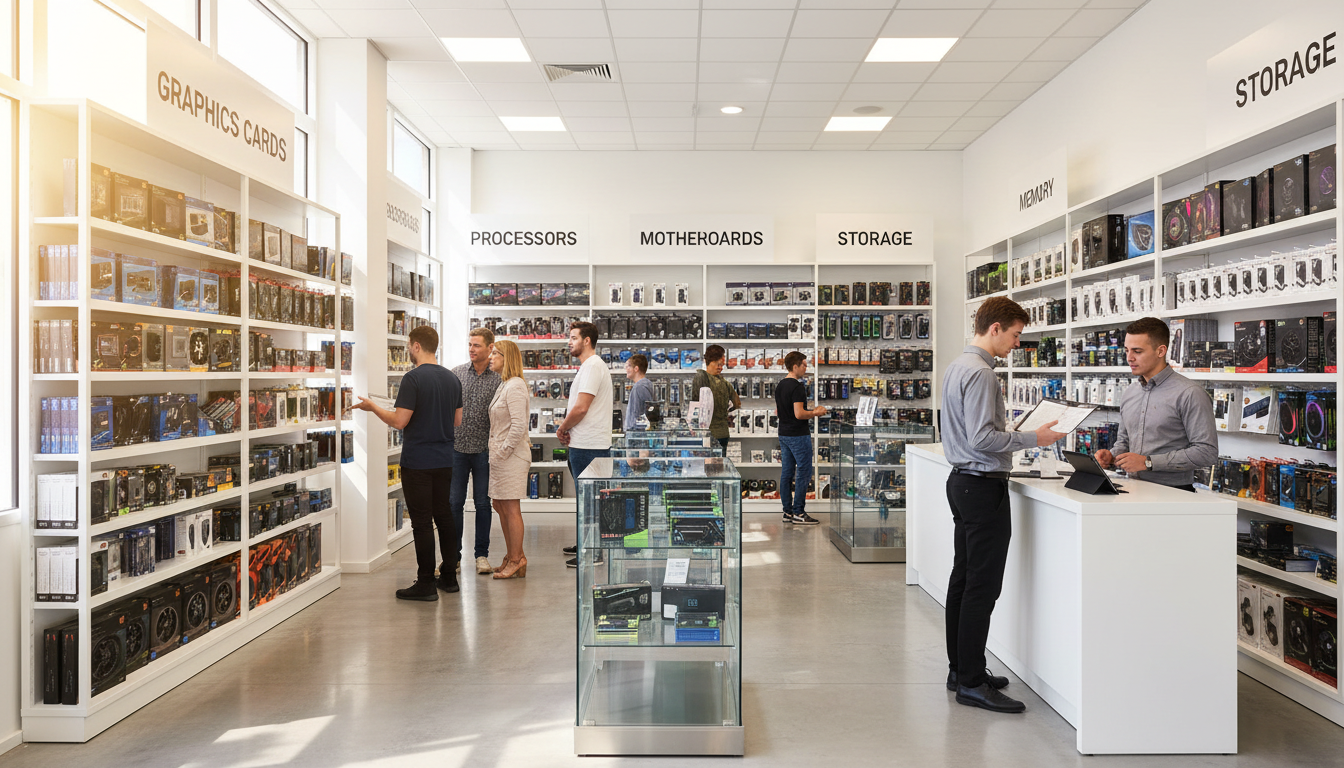
Business Process Optimization involves analyzing and improving existing business processes to enhance performance. In the context of retail, this means refining everything from inventory management to customer service. By doing so, businesses can reduce costs, increase efficiency, and improve the overall customer experience.
The Importance of Customer Journey Mapping
One of the key elements of optimizing in-store experiences is understanding the customer journey. Customer journey mapping involves tracking the steps a customer takes from entering the store to making a purchase. By identifying pain points and areas for improvement, retailers can tailor their strategies to better meet customer needs.
Streamlining Inventory Management
Efficient inventory management is essential for optimizing in-store experiences. By using advanced inventory systems, retailers can ensure that products are always in stock and easily accessible. This not only enhances customer satisfaction but also reduces the likelihood of lost sales due to stockouts.
Implementing Technology Solutions
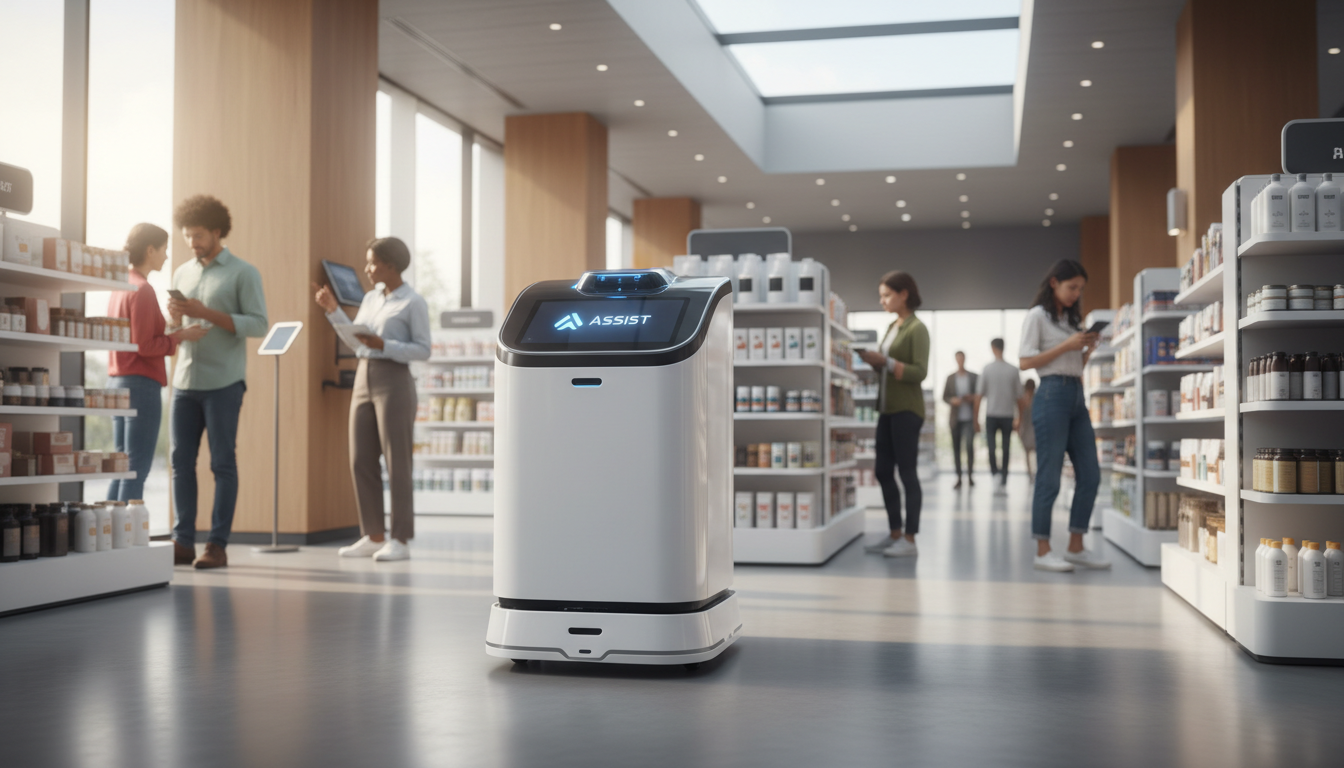
Technology plays a crucial role in optimizing business processes. From point-of-sale systems to digital signage, integrating technology can enhance the shopping experience and streamline operations. For example, mobile checkout systems allow customers to skip the line, making the purchasing process faster and more convenient.
Enhancing Employee Training
Employees are the backbone of any retail operation, and their interactions with customers significantly impact the in-store experience. By investing in comprehensive training programs, businesses can ensure that employees are knowledgeable and equipped to provide exceptional service.
Creating Engaging Store Layouts
Store layout and design play a pivotal role in the customer experience. A well-planned layout guides customers through the store, highlights key products, and encourages exploration. Using visual merchandising techniques can further enhance the appeal and functionality of the store.
Measuring Success and Making Adjustments
After implementing optimization strategies, it's essential to measure their effectiveness. Key performance indicators (KPIs) such as sales metrics, customer feedback, and foot traffic analysis can provide valuable insights. Based on this data, retailers can make informed adjustments to continuously improve the in-store experience.
In conclusion, optimizing in-store experiences through Business Process Optimization is a strategic approach that can lead to increased customer satisfaction and higher sales. By focusing on customer journey mapping, inventory management, technology integration, employee training, and store design, retailers can create a shopping environment that delights customers and drives success.