How to Elevate Retail Experiences with Strategic Business Alignment
Understanding Strategic Business Alignment
In today's competitive retail environment, aligning business strategies with customer expectations is crucial. Retailers must ensure that their operational goals, marketing strategies, and customer service are all in sync to create a cohesive and memorable shopping experience. This alignment not only enhances the customer journey but also strengthens brand loyalty and drives revenue growth.

Identifying Core Business Objectives
Before implementing any strategic alignment, it's essential to clearly define your business objectives. These objectives serve as a roadmap for decision-making and help in prioritizing initiatives that align with the overall vision. Whether it's increasing foot traffic, boosting online sales, or enhancing brand awareness, having clear goals will guide your efforts effectively.
An effective way to identify these objectives is by conducting a SWOT analysis. This analysis helps in understanding your strengths, weaknesses, opportunities, and threats, providing a comprehensive view of where your business currently stands and where it needs to go.
Integrating Technology for Enhanced Experiences
Technology plays a pivotal role in aligning business strategies with consumer needs. Implementing advanced tech solutions such as AI-driven analytics, personalized marketing tools, and omnichannel platforms can significantly enhance the retail experience. These tools not only streamline operations but also allow for personalized customer interactions, making shopping more convenient and engaging.
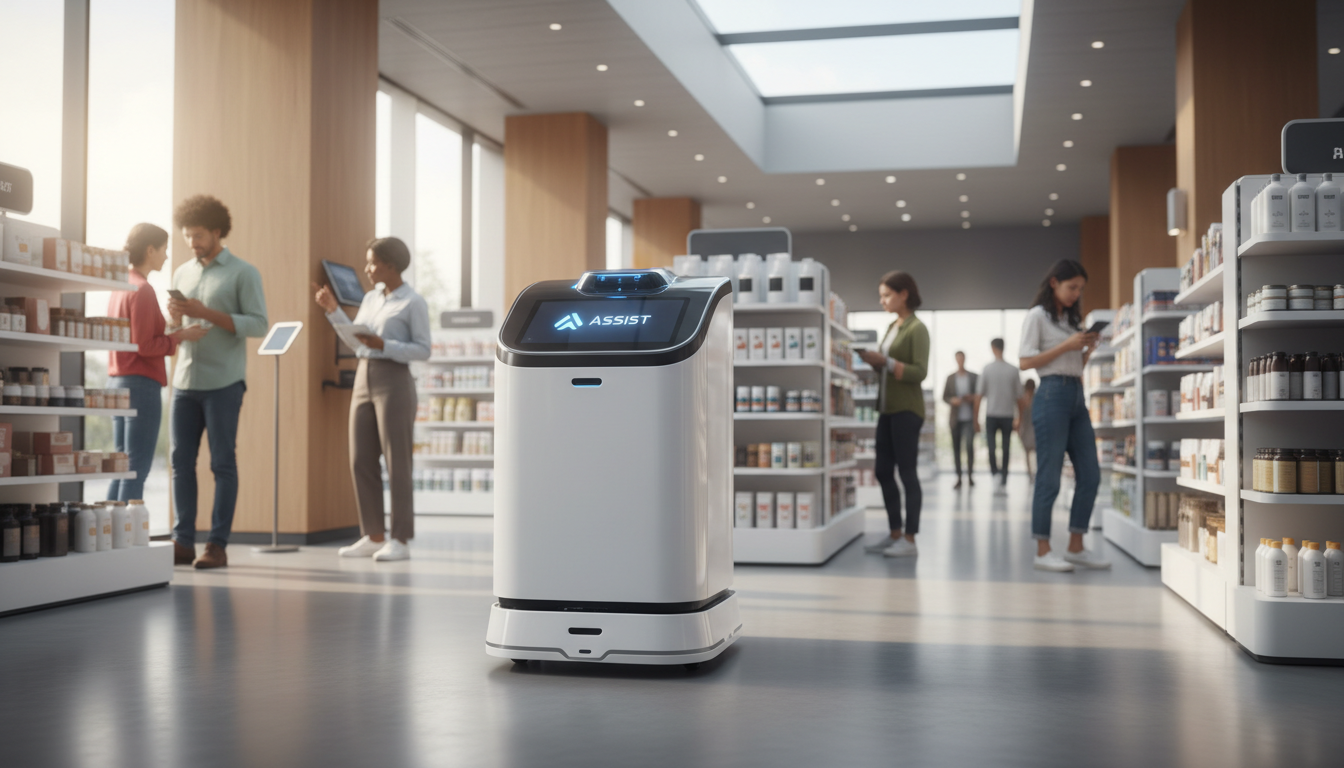
By utilizing data analytics, retailers can gain insights into consumer behavior, preferences, and trends. This data-driven approach enables retailers to tailor their offerings and marketing strategies to meet customer expectations more accurately.
Enhancing Customer Engagement
Customer engagement is at the heart of any successful retail strategy. To foster meaningful interactions, retailers must focus on creating an immersive and interactive shopping environment. This can be achieved through personalized services, loyalty programs, and unique in-store experiences that resonate with the target audience.
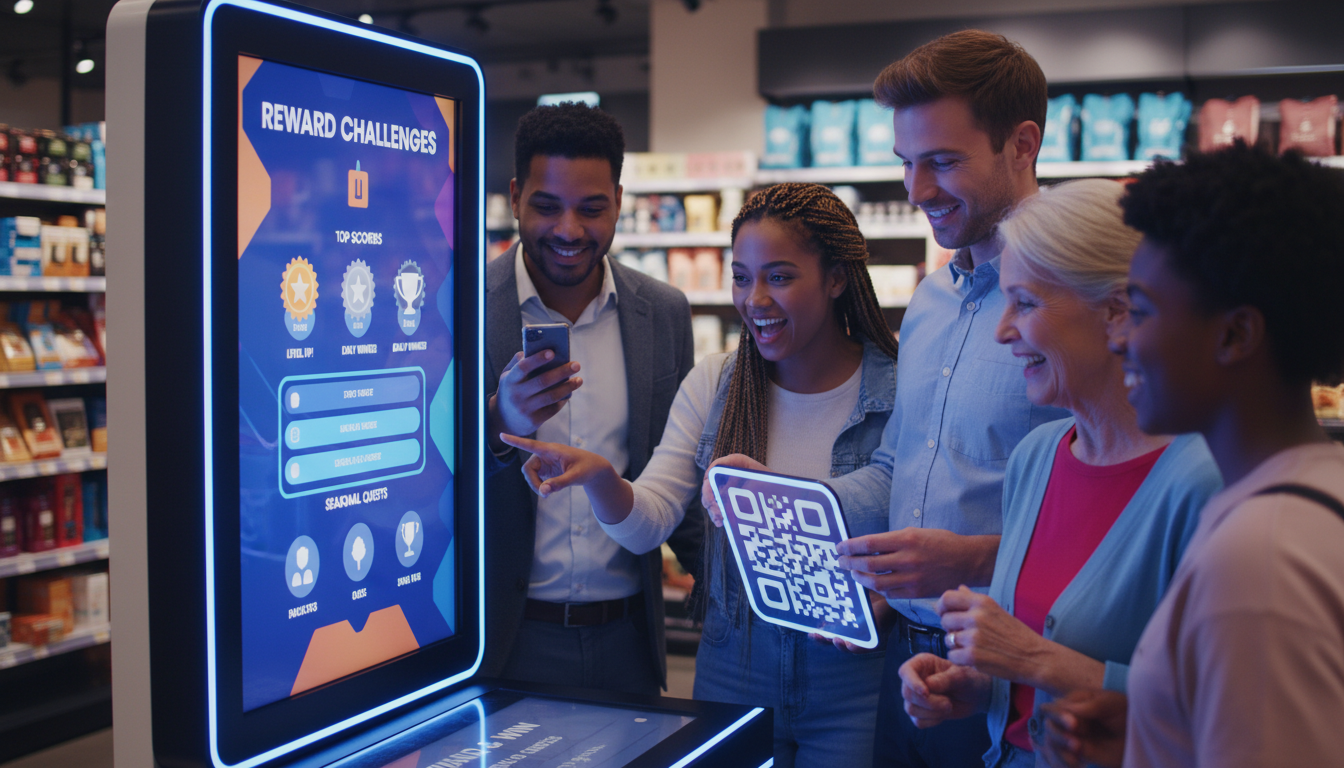
One effective strategy is to implement an omnichannel approach, ensuring a seamless experience across both online and offline platforms. By doing so, customers enjoy consistency in their interactions with the brand, which in turn builds trust and loyalty.
Training and Empowering Staff
Employees are the backbone of any retail operation. Investing in comprehensive training programs ensures that staff are well-equipped to deliver exceptional customer service. Empowered employees who understand the brand's vision and values are more likely to create positive customer experiences and contribute to achieving business objectives.
Regular training sessions and workshops can keep the team updated on the latest trends and technologies, enabling them to serve customers effectively and efficiently.
Measuring Success and Adapting Strategies
Finally, measuring the success of your strategic alignment efforts is crucial. Utilize key performance indicators (KPIs) to assess areas such as customer satisfaction, sales growth, and brand recognition. These metrics provide valuable insights into what's working and what needs improvement.
Retailers should remain flexible and be willing to adapt their strategies based on these insights. Continuous improvement and innovation are key to staying ahead in the ever-evolving retail landscape.