Designing Retail Spaces: Lessons from Cross-Industry Experience
Introduction to Retail Space Design
Designing retail spaces is as much an art as it is a science. It involves creating environments that are not only visually appealing but also functional and efficient. This requires an understanding of consumer behavior, aesthetic principles, and logistical considerations. Drawing inspiration from various industries can provide fresh perspectives and innovative solutions to challenges in retail design.
Learning from Hospitality
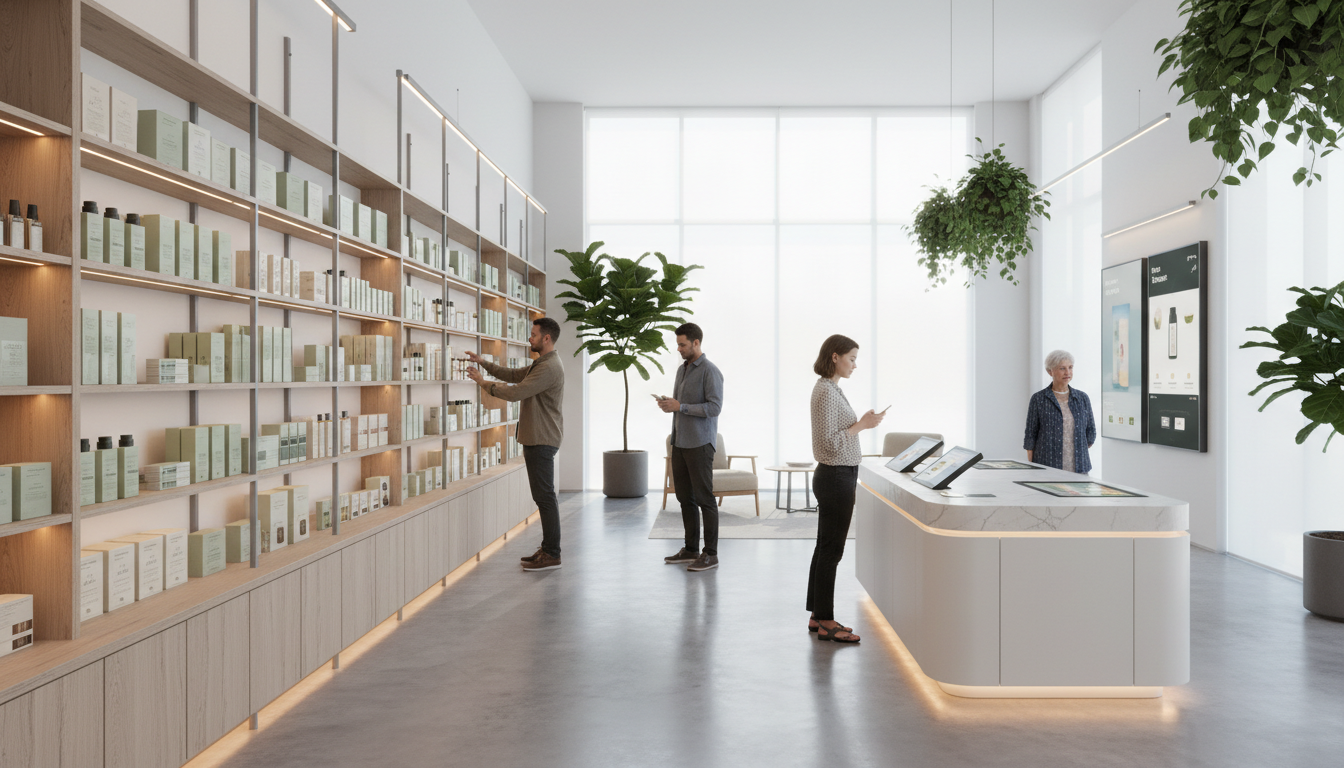
The hospitality industry excels in creating welcoming environments that encourage relaxation and enjoyment. Retail spaces can benefit by adopting similar strategies. For example, using ambient lighting and comfortable seating can make shopping experiences more inviting. Incorporating elements like scent and sound can also enhance the overall atmosphere, making customers feel more at home.
Additionally, hospitality focuses heavily on customer service. Applying these principles in retail can create a more personalized and engaging shopping experience. Training staff to be attentive and knowledgeable can significantly improve customer satisfaction and loyalty.
Incorporating Technology from the Tech Industry
The tech industry is at the forefront of integrating cutting-edge technology into everyday experiences. Retailers can adopt these innovations to enhance customer interactions and streamline operations. Implementing virtual fitting rooms or augmented reality displays can provide customers with unique, interactive experiences that set a store apart from its competitors.
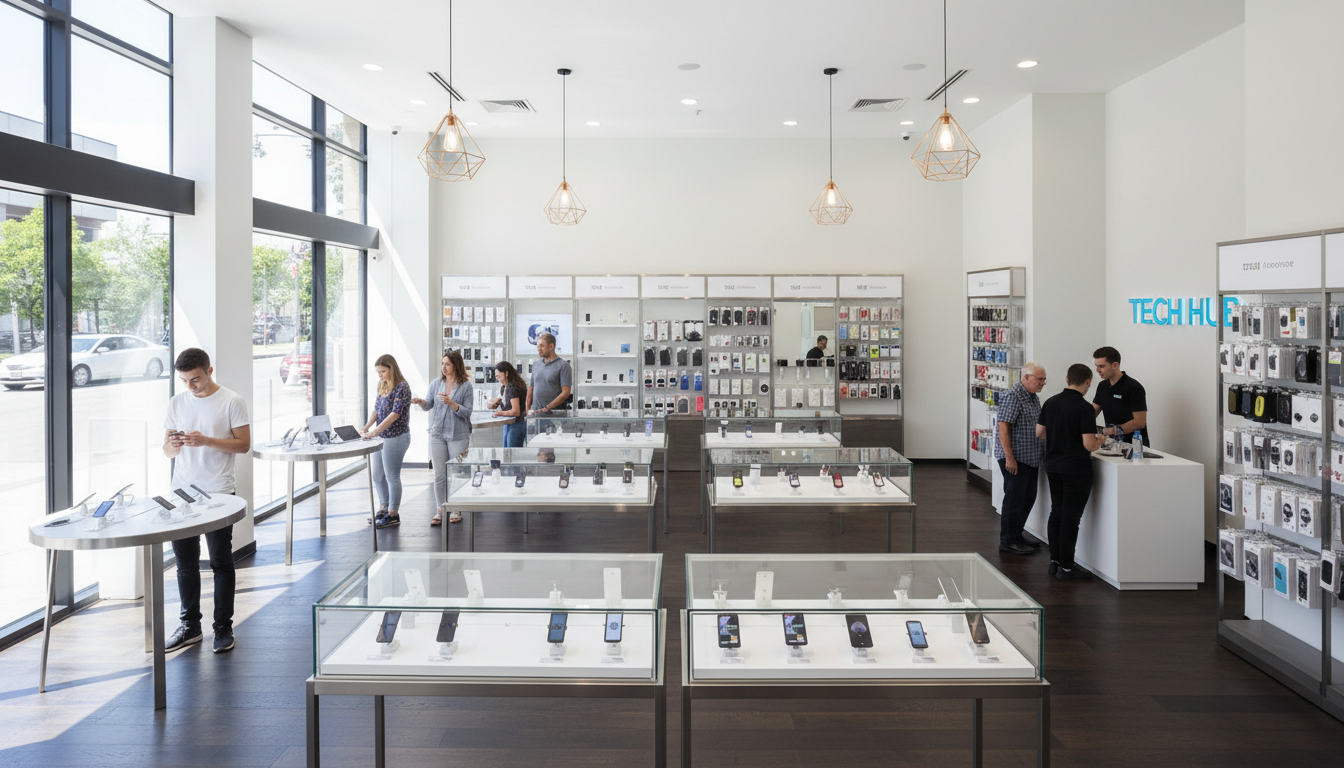
Moreover, utilizing data analytics to understand shopper behavior and preferences can lead to more targeted marketing strategies. This data-driven approach allows retailers to personalize offerings and optimize store layouts for maximum efficiency and appeal.
Efficiency Lessons from Manufacturing
Manufacturing is known for its emphasis on efficiency and productivity. Retailers can apply these principles by optimizing store layouts to ensure smooth traffic flow and easy access to products. This involves strategically placing high-demand items and utilizing signage to guide customers effortlessly through the store.
Furthermore, adopting inventory management techniques from manufacturing can help retailers maintain optimal stock levels and reduce waste. Implementing systems for real-time inventory tracking can ensure that popular items are always available, enhancing the overall customer experience.
Creativity from the Arts Sector
The arts sector is a treasure trove of creativity and innovation. Retail designers can draw inspiration from artistic principles to create visually stunning spaces that captivate and inspire customers. Utilizing bold colors, unique textures, and creative displays can transform a retail environment into an immersive experience.
Collaborating with local artists or holding exhibitions within the store can also create a unique draw for customers. This not only supports the local arts community but also positions the store as a cultural hub, attracting a diverse clientele.
Conclusion: The Future of Retail Design
As industries continue to evolve, the boundaries between them blur, offering endless opportunities for cross-industry learning. By embracing lessons from hospitality, technology, manufacturing, and the arts, retailers can craft spaces that are not only effective and efficient but also engaging and memorable.
Ultimately, the goal is to create a seamless blend of function and form that caters to the modern consumer's needs and desires, ensuring a thriving retail environment in an ever-changing landscape.